Modern Phishing: The Evolution of Cyber Threats in the Digital Age

1. Introduction
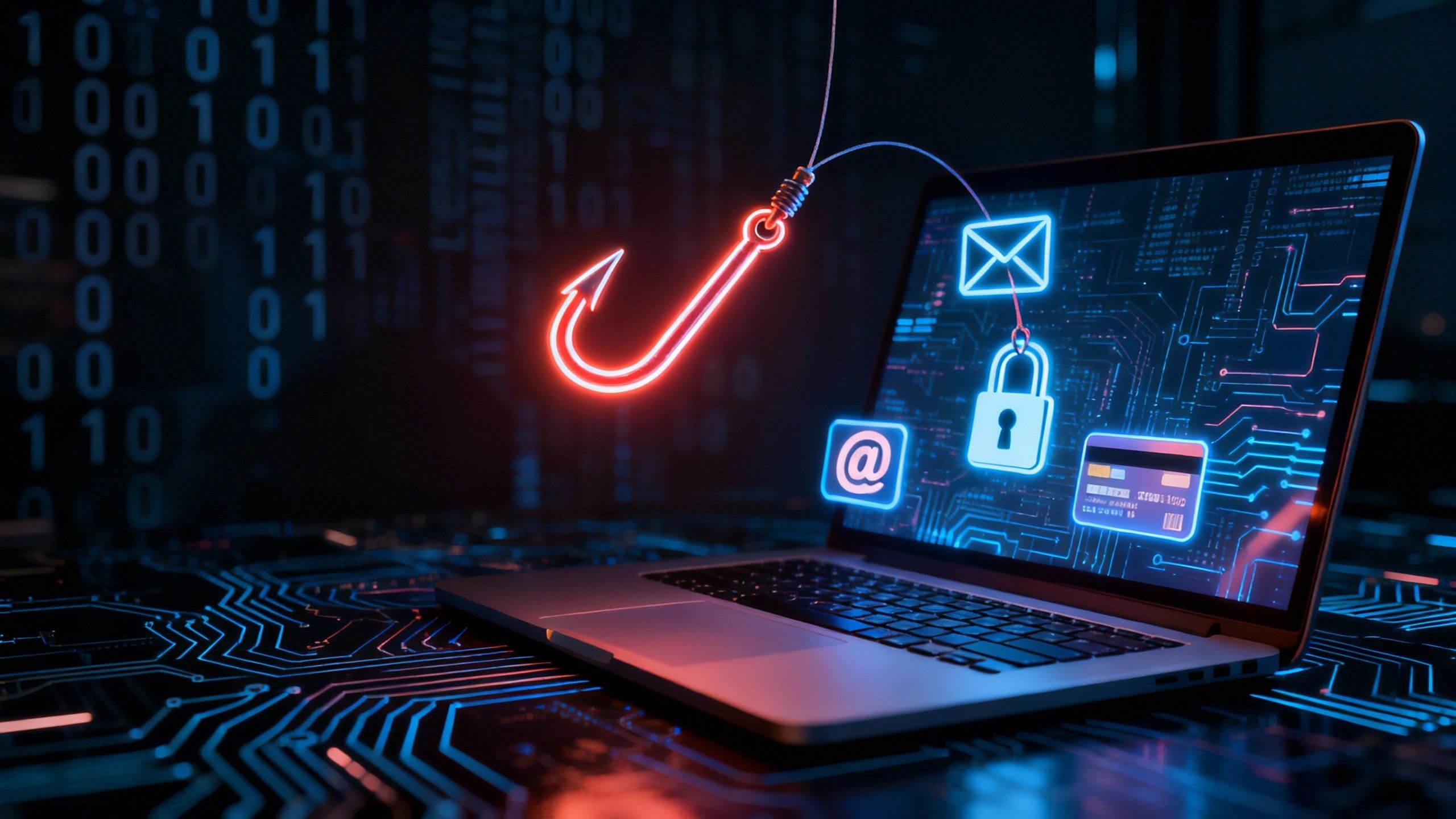
Phishing is a cyberfraud technique in which attackers impersonate trusted entities to steal sensitive data such as passwords, credit card information, or other personal data. In recent years, phishing has evolved from simple methods to highly sophisticated and difficult-to-detect strategies. The shift from traditional to modern phishing is characterized by the use of advanced technology, more sophisticated social engineering techniques, and a comprehensive, multi-platform approach.
In today's digital age, where nearly every aspect of our lives is connected online, understanding modern phishing threats has become crucial. Phishing attacks threaten not only individual financial security but also organizational integrity and even national security. With increased reliance on digital services during the COVID-19 pandemic, phishing attacks have reached unprecedented levels, making understanding this phenomenon an urgent need for all internet users.
2. Evolutionary Phishing
Classic phishing typically involves sending mass emails claiming to be from a bank or popular online service. These emails typically contain links to fake websites designed to steal user credentials. Typical features of traditional phishing include the use of domain names that mimic the legitimate site (e.g., "bankofamerica-secure.com" instead of "bankofamerica.com") and often contain glaring grammatical or spelling errors.
However, phishing tactics have evolved significantly. Attackers now use HTTPS certificates to give the impression that their sites are secure, with the green padlock icon often associated with security. Modern phishing site designs are nearly indistinguishable from legitimate sites, with attention to details like identical logos, fonts, and layouts.
Social media and instant messaging apps have become the new battleground for phishing attacks. Platforms like Facebook, LinkedIn, WhatsApp, and Telegram are often used to spread malicious links or trick victims into disclosing sensitive information. Attackers leverage the trust inherent in social networks to increase the likelihood of their attacks succeeding.
3. Characteristics of Modern Phishing
Phishing with HTTPS
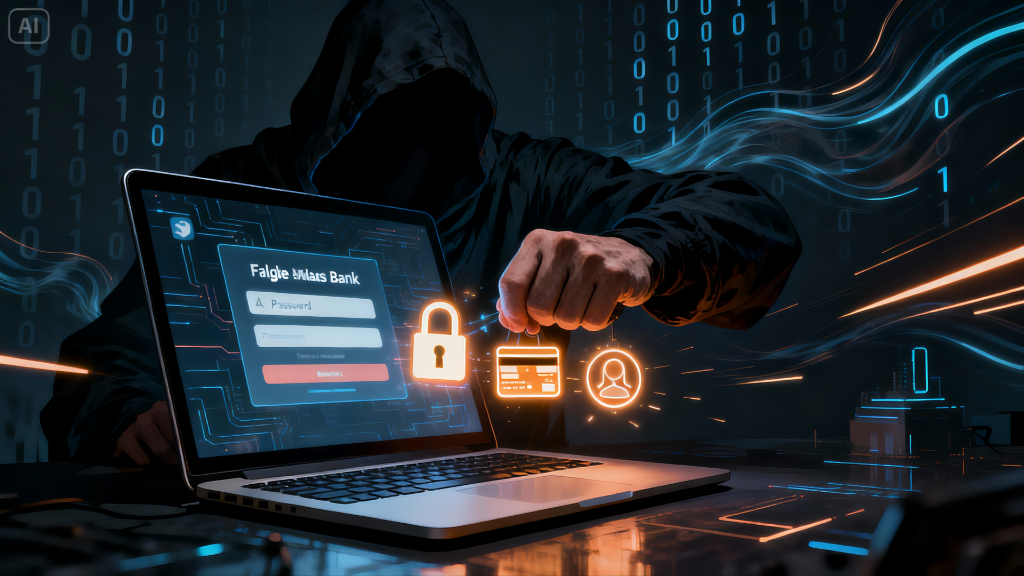
One of the most significant developments in modern phishing is the widespread use of the HTTPS protocol. Many users have been taught that sites with "https://" and a padlock icon are indicators of security. However, the SSL/TLS certificates that provide HTTPS status only encrypt communications between the user and the website—they do not verify the site's legitimacy. Attackers now routinely obtain free certificates for their phishing sites, creating a false sense of security for potential victims.
Spear Phishing
Unlike mass phishing, spear phishing is a personally targeted attack. Attackers gather information about specific targets—either individuals or organizations—and tailor their messages to increase credibility. They might name colleagues, reference specific projects, or use publicly available information to build trust. High-ranking executives are often the targets of "whaling," a form of spear phishing that targets the "big fish" within an organization.
Deepfake & AI-generated Content
Advances in artificial intelligence have given rise to a new threat: deepfake content. Attackers can now create highly realistic audio, video, or images that appear to depict people known to the target. For example, an employee might receive a voicemail message appearing to be from their CEO requesting an emergency cash transfer. AI technology also makes it possible to create well-written phishing emails without the grammatical errors that are common telltale signs of phishing.
Multi-channel Phishing
Modern phishing often involves a coordinated, multi-channel approach. An attack might begin with an email (traditional phishing), followed by an SMS (smishing) to create urgency, and then a phone call (vishing) to convince the victim. This integrated approach increases the credibility of the attack and the likelihood of success. Social media is also often used as an additional channel in a comprehensive phishing strategy.
4. Impact and Risk
The financial impact of phishing attacks is significant. According to an FBI report, global losses from cybercrime, with phishing as the primary attack vector, exceeded $4.2 billion in 2020 alone. For individuals, phishing can result in identity theft, bank account drains, or unauthorized credit card use. For companies, the costs are even higher—including direct losses from unauthorized fund transfers, remediation costs, and potential regulatory fines.
Identity and personal data theft through phishing can have long-term consequences. Stolen information is often sold on the dark web and can be used for various illegal activities for years after the initial breach. Victims may spend hundreds of hours recovering their identities and repairing their credit.
For organizations, a successful phishing attack can cause significant operational disruption. Ransomware delivered via phishing emails can cripple entire networks, halting business operations for days or weeks. The cost of this downtime often far exceeds the direct losses from the attack itself.
Perhaps the most difficult to measure, but equally important, is the reputational impact of a phishing incident. Companies whose customer data is compromised face a significant erosion of trust, which can result in lost business and a decline in stock value. Rebuilding trust after a significant data breach can take years.
5. Case Studies / Real Examples
Indonesia has become a major target for phishing attacks in Southeast Asia. In 2021, a series of sophisticated phishing attacks targeted customers of several major Indonesian banks. Attackers created perfect replicas of official mobile banking apps and distributed them via SMS messages appearing to originate from the banks. Thousands of customers were tricked into downloading these malicious apps, which then stole their banking credentials. Total losses were estimated to reach hundreds of billions of rupiah.
In India, a major phishing campaign in 2022 targeted users of digital government services. Attackers sent emails and SMS messages claiming to be from the Digital India initiative, offering fake COVID-19 subsidies to lure victims into disclosing their personal and banking information. This attack was highly effective because it capitalized on the pressing economic needs of the pandemic.
Globally, the latest report from the Anti-Phishing Working Group (APWG) shows that phishing attacks reached a record high in the first quarter of 2023, with over 1.2 million unique attacks detected. The financial sector remains the top target, followed by webmail and SaaS services. The report also noted a 43% increase in attacks targeting cryptocurrency services, reflecting a shift in attacker tactics following market trends.
6. Prevention Strategy
User Education
The strongest line of defense against phishing is a vigilant and educated user. An effective education program should teach users to recognize the signs of phishing, such as:
- Check the sender's email address carefully
- Be wary of unreasonable urgency or threats
- Hover over a link to see the actual URL before clicking.
- Suspect requests for sensitive information or credentials
- Pay attention to grammatical errors or unprofessional design.
Protection Technology
Technology solutions play a vital role in preventing phishing attacks:
- Advanced email filter that uses AI to detect and block phishing emails
- An anti-phishing tool that integrates with web browsers to block malicious sites.
- Multi-factor authentication (MFA) to provide an additional layer of security even if credentials are compromised
- An endpoint security solution that can detect and block malware delivered through phishing attacks.
Company policy
Organizations should develop comprehensive policies to reduce the risk of phishing:
- Conduct regular phishing simulations to test employee vigilance and identify gaps in training.
- Implement mandatory cybersecurity training programs with a special emphasis on phishing
- Develop clear reporting protocols for suspicious emails
- Apply the principle of least privilege to limit access to sensitive data.
Regional and Global Collaboration
Given the cross-border nature of phishing attacks, international collaboration is essential:
- Sharing threat intelligence between organizations and countries
- Cross-border law enforcement cooperation to pursue perpetrators
- Development of global standards and best practices for cybersecurity
- Regional initiatives such as the ASEAN Cyber Capacity Programme that strengthen collective defense against cyber threats
7. The Future of Phishing
Artificial intelligence will play a dual role in the future phishing landscape. On the one hand, attackers will use AI to create more sophisticated and personalized attacks, including deepfakes that are nearly indistinguishable from the real thing and perfectly crafted phishing emails. On the other hand, AI-based security solutions will become better at detecting anomalies and identifying attacks before they even reach users.
New challenges arise with technological advancements. The metaverse offers a new landscape for phishing attacks, where seemingly familiar avatars may be used to deceive users. Internet of Things (IoT) devices, often with minimal security, create new attack vectors. Wearable devices that collect sensitive health and location data are also attractive targets.
To face these evolving threats, continuous cybersecurity innovation is crucial. This includes the development of stronger authentication protocols, broader implementation of blockchain technology for identity verification, and behavior-based security approaches that can detect suspicious activity patterns.
8. Conclusion
Modern phishing has evolved from simple email scams to a multi-faceted threat that leverages advanced technology, social engineering, and psychological weaknesses. Key characteristics of modern phishing—the use of HTTPS, spear phishing, AI-generated content, and a multi-channel approach—make it much more difficult to detect than its predecessors.
The impact of phishing attacks goes beyond immediate financial losses to include identity theft, operational disruption, and long-term reputational damage. Case studies from Indonesia, India, and around the world illustrate the scale and sophistication of this threat.
Addressing these challenges requires a multi-layered approach that combines user education, technology solutions, strong organizational policies, and global collaboration. While the future may bring new challenges with AI, the metaverse, and IoT, innovation in cybersecurity defenses is also constantly evolving.
As digital users, we all have a role to play in combating the threat of phishing. By raising awareness, implementing good security practices, and remaining vigilant, we can collectively build stronger digital resilience against one of today's most pervasive and evolving cyberthreats. Cybersecurity is no longer the exclusive responsibility of IT professionals—it's a vital life skill in the digital age.